

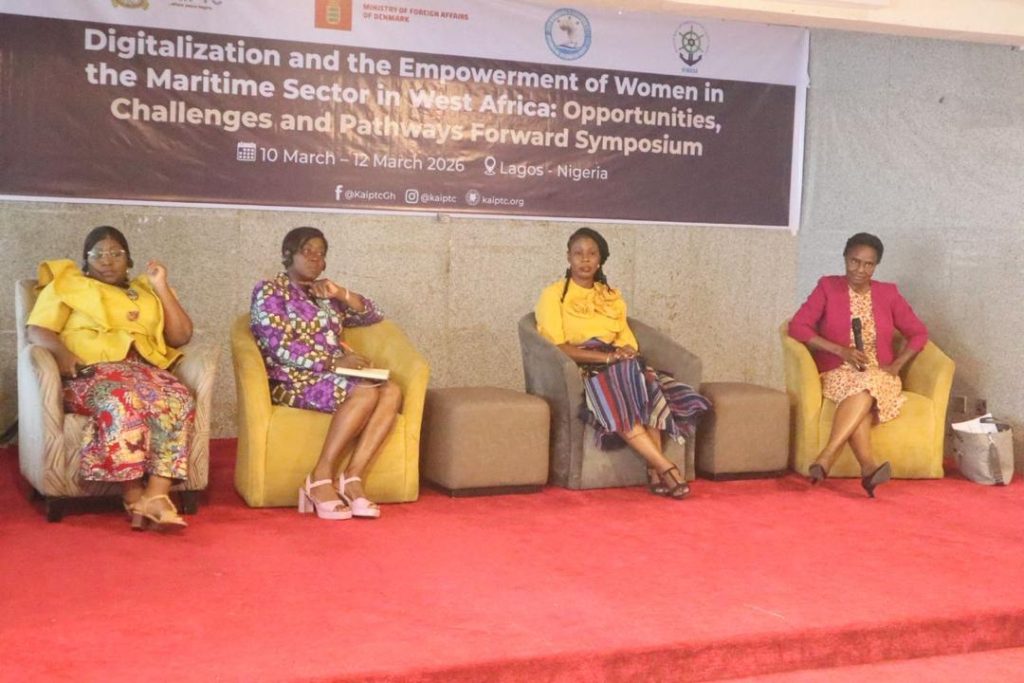
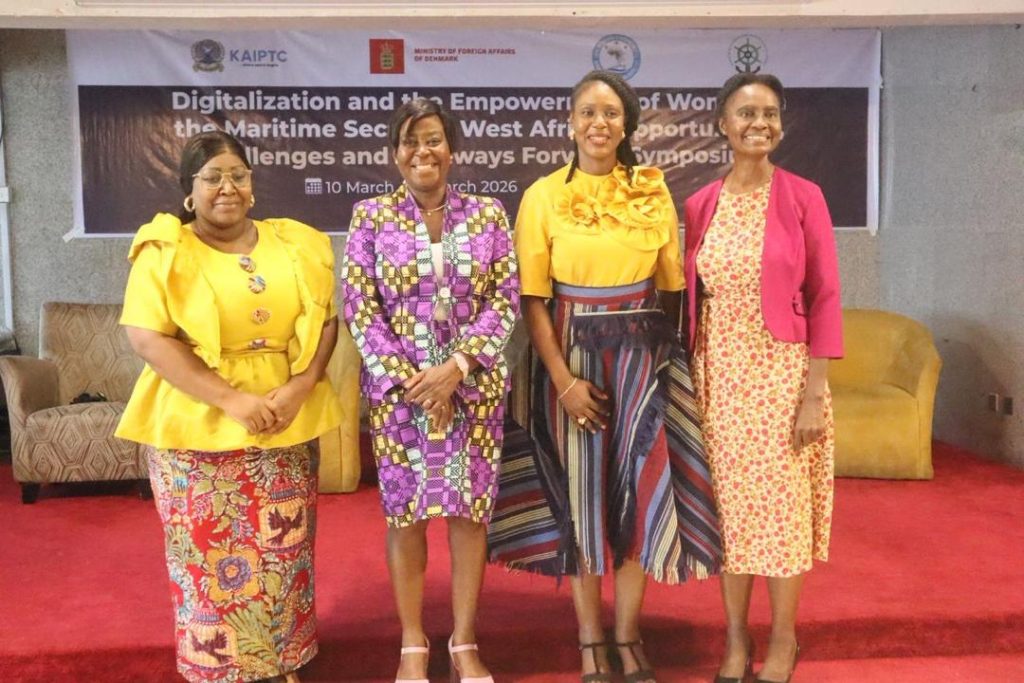
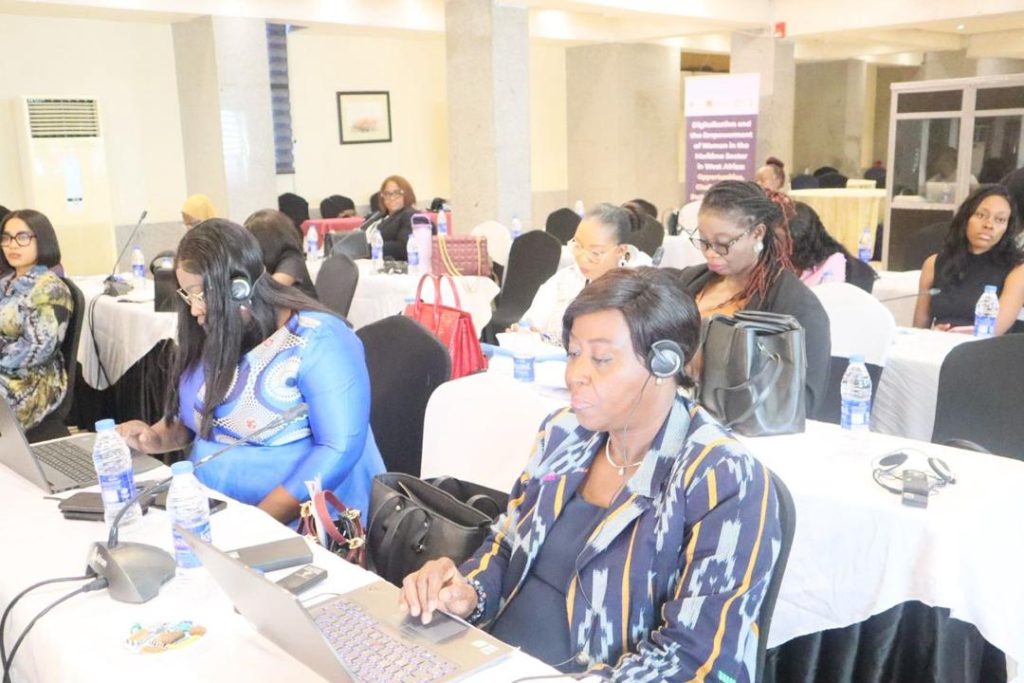
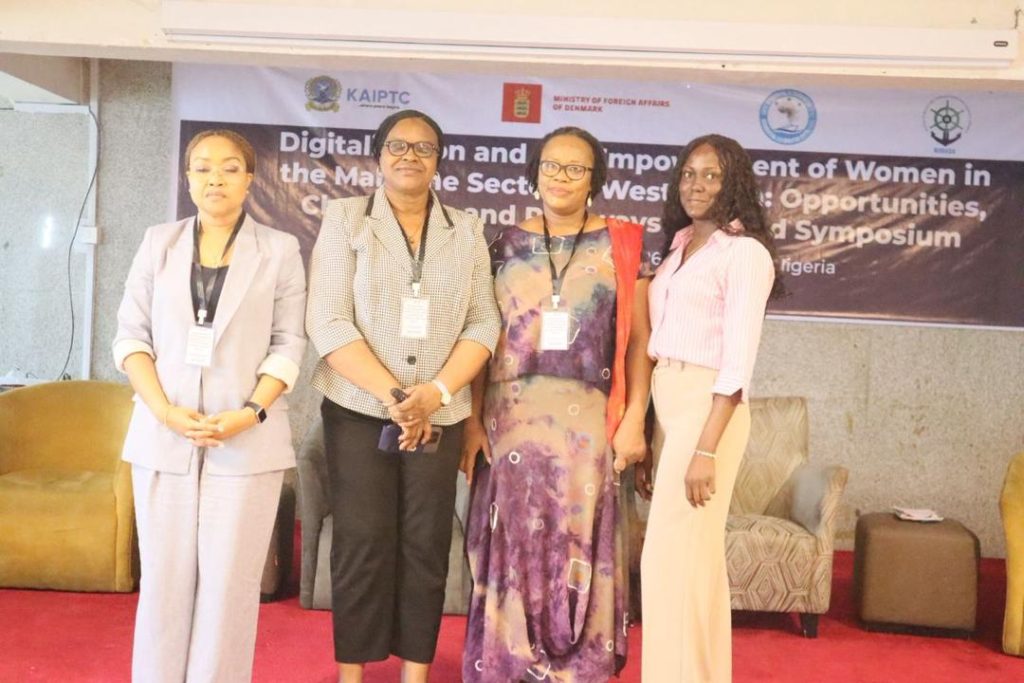
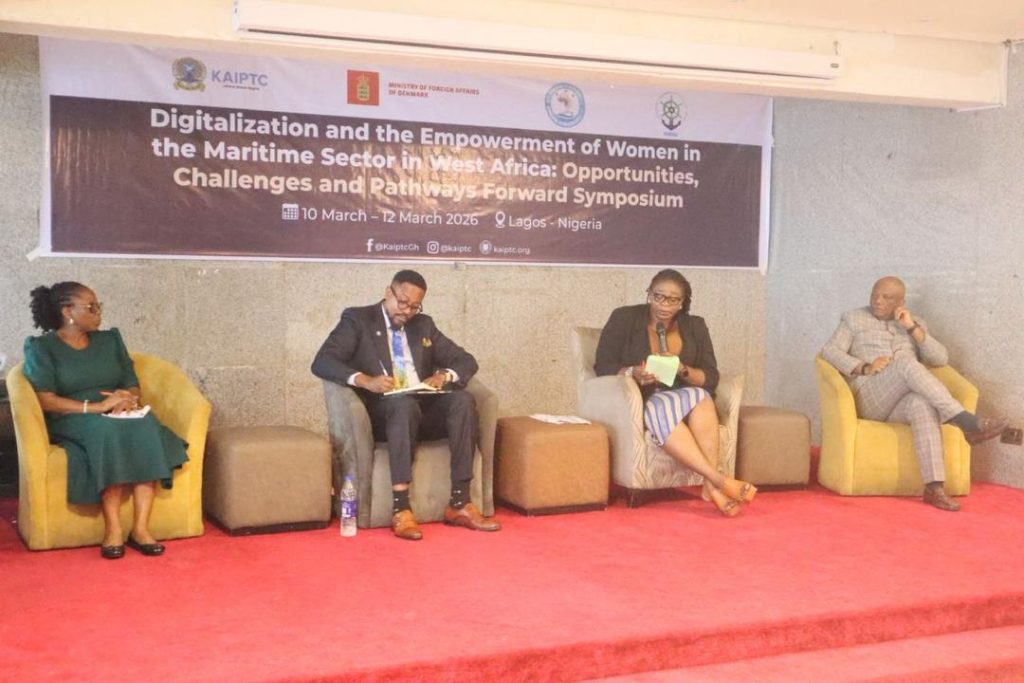
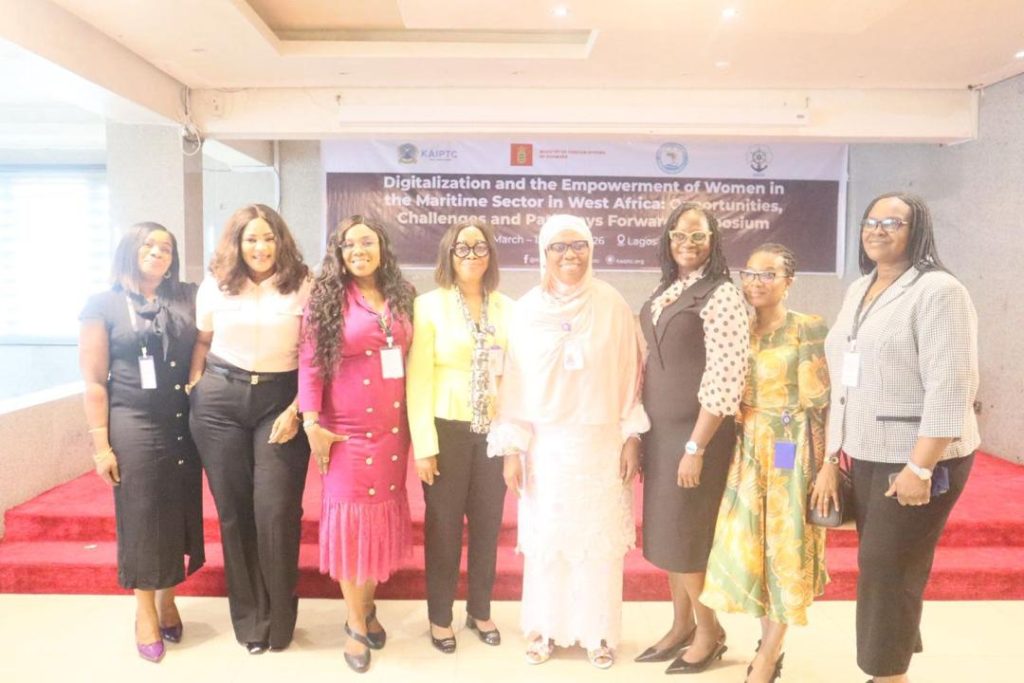
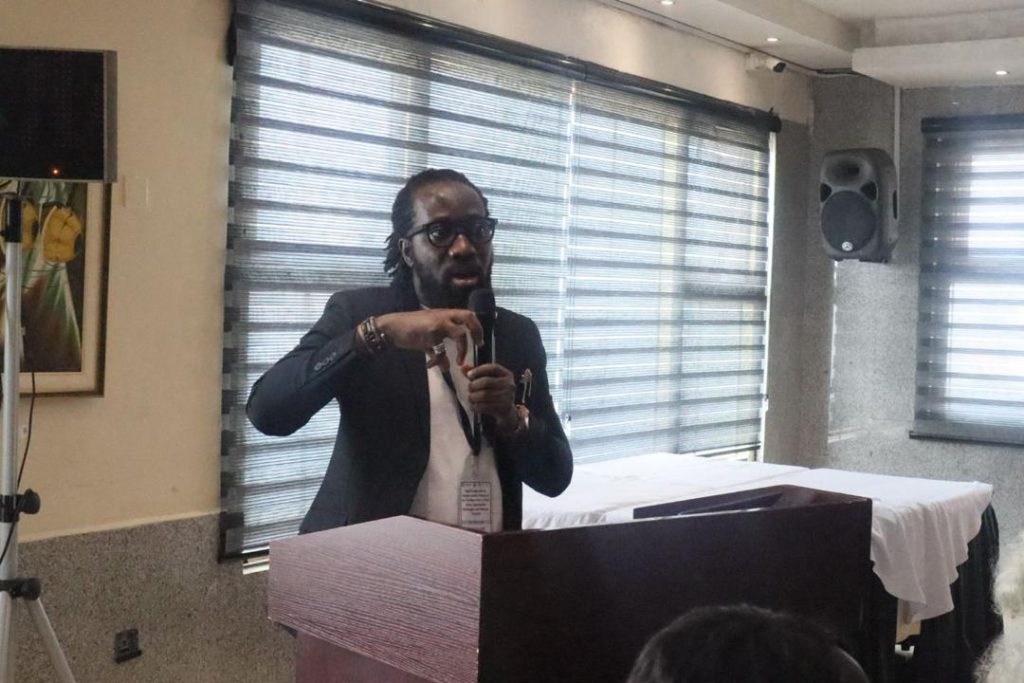
From 10 to 12 March 2026, Lagos, Nigeria, hosted the Regional Symposium on Digitalization and the Empowerment of Women in the Maritime Sector of West & Central Africa, bringing together senior officials, maritime administrators, academics, civil society representatives, and media personnel from across the region. The symposium provided a platform for dialogue, knowledge exchange, and strategic planning aimed at increasing women’s participation in maritime professions amidst the sector’s rapid digital transformation.
Over three days, participants explored opportunities and challenges for women in the maritime sector. The first day highlighted the sector’s gender disparities, noting that women represent less than 2% of global seafarers. Discussions identified socio-cultural perceptions, limited access to specialized training, and digital literacy gaps as key barriers. Digital learning platforms, online certification systems, and virtual networks were presented as solutions to expand women’s access to skills, mentorship, and professional visibility.
The second day focused on practical pathways for digital empowerment. Emerging technologies—such as AI, data analytics, cybersecurity, and smart port systems—were recognized as critical tools for women’s participation in operational management, policy development, and innovation. The symposium emphasized multi-stakeholder collaboration, highlighting the roles of governments, industry, academia, and civil society in creating inclusive digital ecosystems. Strategies to address digital skills gaps, mentorship opportunities, and professional development were prioritized.
The final day highlighted country-level experiences from Nigeria, Ghana, Liberia, and Senegal. Liberia emphasized digital infrastructure and online training platforms, while Senegal showcased women-led initiatives promoting professional visibility and networking. Nigeria highlighted success stories of women leading complex, digitally-driven projects in logistics, vessel management, and port administration. Ghana focused on mentorship programmes, capacity-building, and regional cooperation to bridge the digital maritime skills gap. These examples underscored the importance of regional collaboration and adapting best practices to enhance women’s participation.
The symposium concluded with actionable recommendations, including the establishment of maritime technology hubs, creation of maritime tech communities, gender-responsive policy frameworks, mentorship expansion, regional collaboration, strategic use of media, sustainability planning, and the development of a Women in Maritime database.
In closing, KAIPTC leadership reaffirmed the need to translate dialogue into action, emphasizing that women’s inclusion is not only a matter of equity but also a strategic advantage for innovation, governance, and the blue economy. Participants were encouraged to act as ambassadors for digital empowerment, ensuring that women can fully participate and lead in West Africa’s evolving maritime sector.